Cellular Mechanics
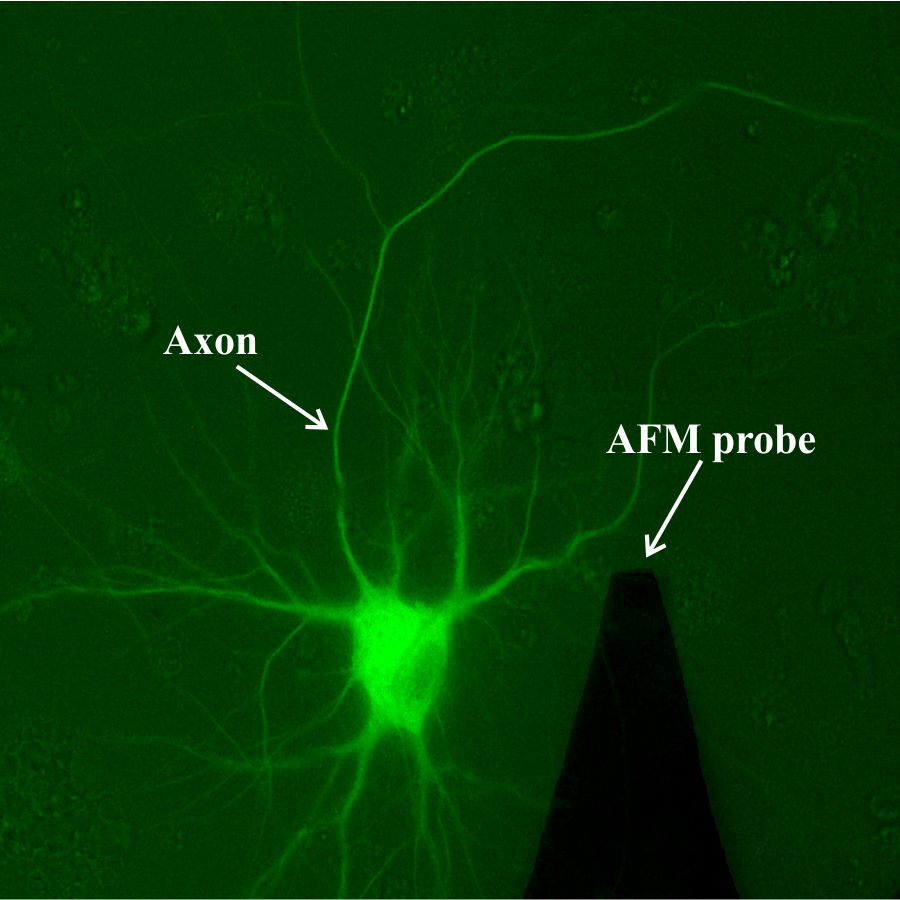
We integrate advanced microscopy, force measurements, and coarse-grained molecular dynamics to understand how membrane and cytoskeletal organization shape the mechanics of neurons and red blood cells, focusing on cell deformation, adhesion, protein diffusion, and cytoskeletal stability in health, disease, and injury. The goal of the research is understand how to employ mechanics with advanced microscopy and advanced research in this topic.
Multi-Agent Coordination of Mini-AUV Systems
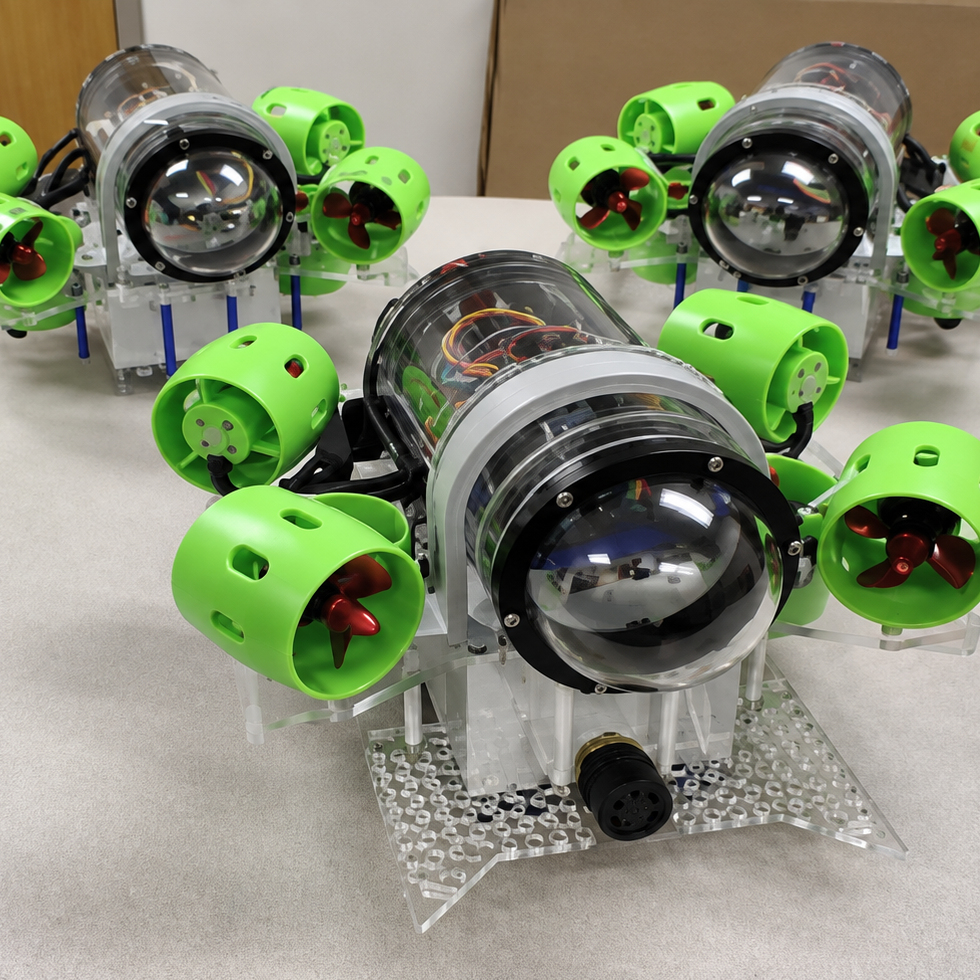
We design and build compact mini-AUVs, combining computer vision and deep reinforcement learning to advance autonomous underwater navigation and multi-agent coordination. Our work integrates simulations, underwater experiments, and docking-system development to advance cooperative underwater robotics. We aim to enable safer and more efficient inspection of submerged vessel hulls, port infrastructure, and bridge foundations.
Applied Quantum Computing
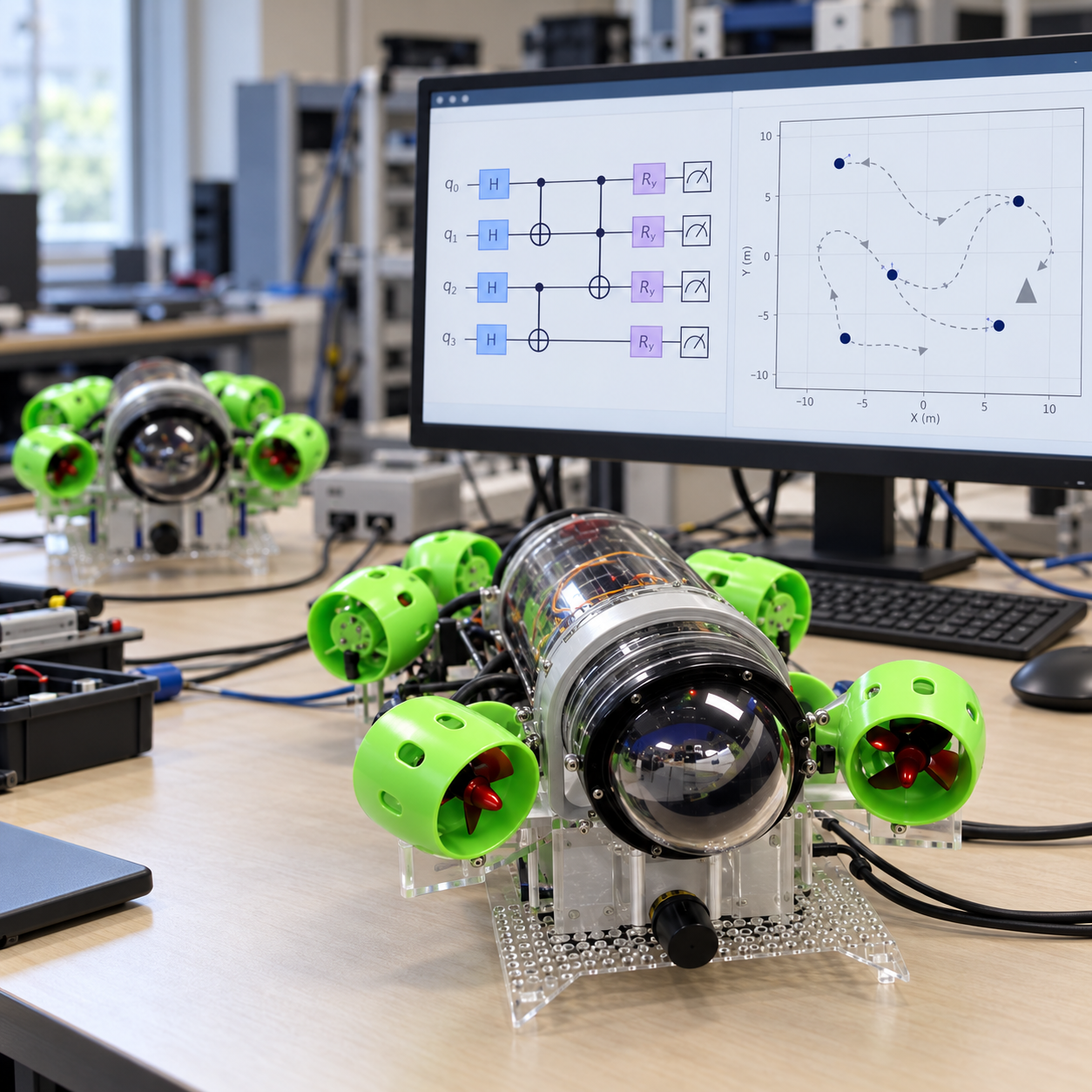
We apply quantum computing algorithms to underwater robot swarms and time-series data classification.